



Your Nervous System Is the Missing Link
If you’re training consistently, eating well, and still feeling stuck, exhausted, or unmotivated—you might not have a discipline problem.
You might have a nervous system problem.
Welcome to one of the biggest fitness shifts happening right now: Nervous System Fitness. It’s not about doing less forever. It’s about training in a way your body can actually adapt to—so you get stronger, leaner, and more resilient without burning out.
At BullFit, we believe strength isn’t just physical. It’s mental, hormonal, emotional—and neurological. Let’s break this down in a simple, real-world way.
What Is Nervous System Fitness?
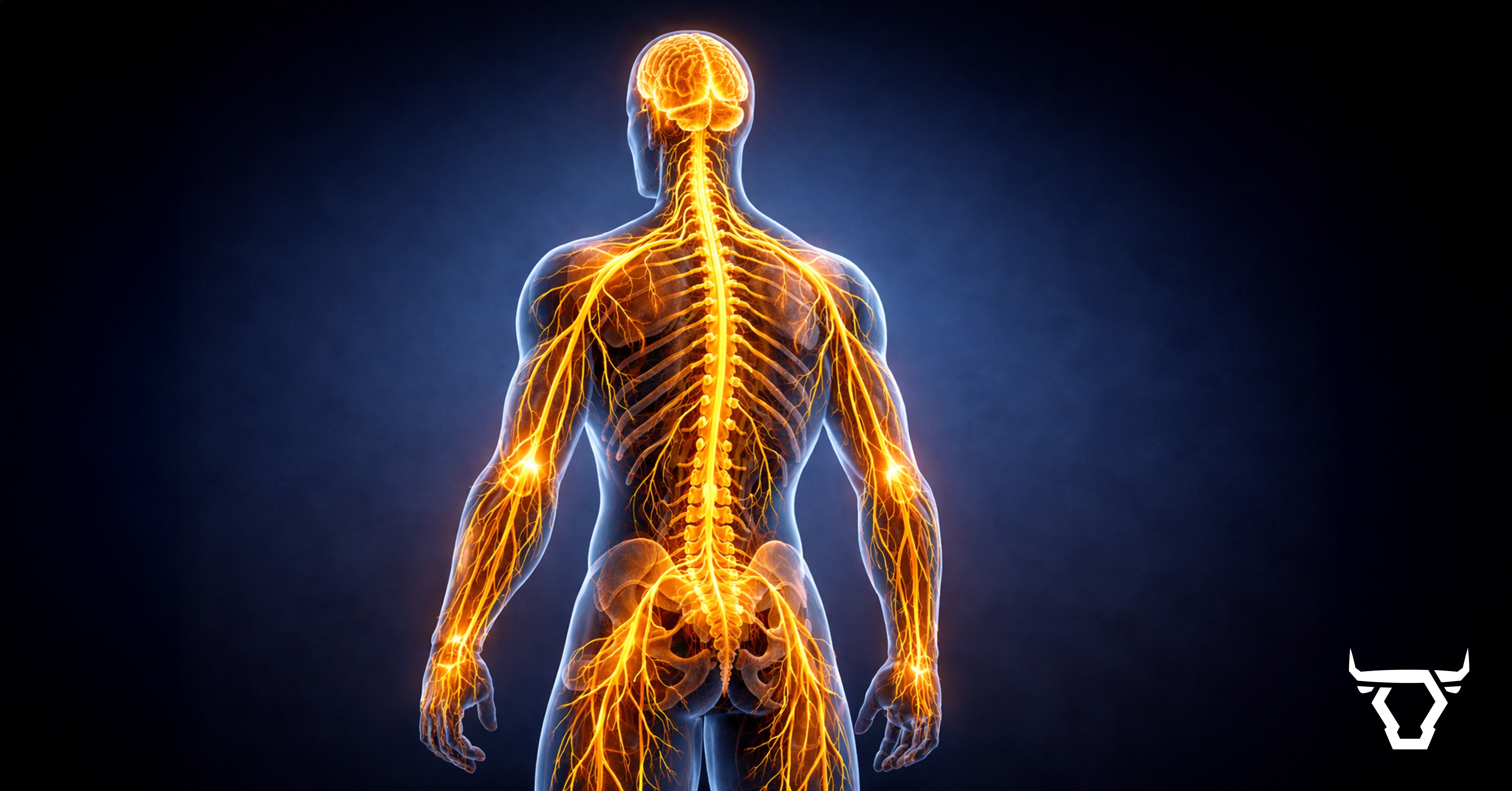
Your nervous system controls everything:
-
Muscle contraction
-
Recovery
-
Hormones
-
Sleep
-
Stress response
-
Motivation
It has two main modes:
🔥 Sympathetic (Fight or Flight)
-
High stress
-
Intense workouts
-
Deadlines, chaos, caffeine
-
Great short-term, destructive long-term
🧘 Parasympathetic (Rest and Digest)
-
Recovery
-
Repair
-
Fat loss
-
Muscle growth
-
Calm focus
Progress happens when you can switch between the two.
Most people today are stuck in fight-or-flight 24/7.
Why “Go Harder” Isn’t Working Anymore
Modern life already beats up your nervous system:
-
Poor sleep
-
Blue light
-
Work stress
-
Parenting
-
Financial pressure
-
Constant stimulation
Then we add:
-
HIIT every day
-
No deloads
-
Under-eating
-
More caffeine instead of more sleep
The result?
-
Plateaus
-
Fat retention
-
Injuries
-
Brain fog
-
Loss of motivation
-
“I just don’t feel like myself”
This isn’t weakness.
It’s overstimulation.
Signs Your Nervous System Is Fried
If you’re experiencing several of these, nervous system regulation should be a priority:
-
You’re tired but wired
-
Sleep feels unrefreshing
-
Rest days don’t feel restorative
-
Your heart rate stays elevated
-
Fat loss has stalled
-
Strength feels inconsistent
-
Small stress feels overwhelming
Sound familiar? You’re not alone.
The Science: Why a Calm Nervous System Builds More Muscle
Muscle growth and fat loss happen when:
-
Cortisol is controlled
-
Insulin sensitivity improves
-
Growth hormone is released
-
Recovery systems are active
All of that lives in the parasympathetic state.
You don’t grow during workouts.
You grow when your body feels safe enough to adapt.
How to Train Your Nervous System (Without Becoming “Soft”)
This isn’t about quitting hard work.
It’s about earning intensity instead of forcing it.
1. Zone 2 Cardio (The Foundation)
-
Walking
-
Easy cycling
-
Light sled pushes
-
Nasal breathing pace
Benefits:
-
Improves recovery
-
Boosts fat oxidation
-
Lowers resting heart rate
-
Builds work capacity
👉 20–45 minutes, 2–4x per week
2. Lift Heavy—but Not Chaotically
-
Fewer junk sets
-
Longer rest periods
-
Focus on compound lifts
-
Stop chasing exhaustion
Strength should feel powerful, not frantic.
3. Breathe Like an Athlete (Not a Zombie)
Simple breathwork can shift your nervous system in minutes:
-
Inhale through the nose (4 seconds)
-
Long exhale through the mouth (6–8 seconds)
-
3–5 minutes post-workout or before bed
This signals safety—and recovery follows.
4. Walk More Than You Think You Need
Walking is one of the most underrated recovery tools:
-
Improves digestion
-
Lowers cortisol
-
Supports fat loss
-
Clears mental fog
If you’re stuck, walk more—not less.
Nervous System Fitness for Real Life (Not Influencer Life)
This approach works especially well if you:
-
Are a parent
-
Work long hours
-
Train early mornings or late nights
-
Feel mentally drained
-
Want longevity, not just aesthetics
You don’t need perfection.
You need regulation.
BullFit’s Philosophy: Strong AND Regulated
At BullFit, we believe:
-
Discipline and rest can coexist
-
Calm athletes outperform stressed ones
-
Sustainability beats burnout
-
Strength should support your life—not consume it
You don’t need to quit grinding.
You need to train in a way your nervous system can keep up with.
Final Takeaway
If your progress feels stalled, ask yourself:
“Am I undertrained—or under-recovered?”
Sometimes the bravest move isn’t pushing harder.
It’s learning how to calm down and come back stronger.
🐂 Day One Energy isn’t chaos. It’s control.
Read more
Fitness in 2026 is all about consistency, strength, and confidence. Learn the top health trends, how to set realistic goals you’ll actually keep, and why BullFit is the brand built to support your ...
Fitness isn’t about aesthetics once you become a parent—it’s about discipline, resilience, energy, and setting the standard your kids will live by. When parents prioritize fitness, they teach consi...