








It’s Only January… And 80% of People Have Already Given Up
By mid-January, nearly 80% of people have already given up on their New Year’s fitness goals.
Gyms are quieter. Motivation fades. The excitement of “new year, new me” disappears faster than the holiday leftovers.
If that’s you — you’re not broken, lazy, or lacking discipline.
You’re human.
The good news? Understanding why people quit is exactly how you avoid becoming another statistic — and how you can keep building real momentum toward your fitness goals all year long.
Why So Many People Quit Their New Year’s Goals Early
Most people don’t fail because they don’t want results.
They fail because they start with the wrong strategy.
1. They Set Unrealistic Expectations
Many goals sound like this:
-
“I’m going to work out every day.”
-
“I’ll lose 30 pounds in two months.”
-
“No carbs. No sugar. No cheating.”
This all-or-nothing mindset leads to burnout fast.
When progress isn’t immediate, motivation crashes — and people assume it’s not working.
Reality check:
Fitness progress is slow, layered, and cumulative.
There is no overnight transformation — only consistent effort stacked over time.
2. Motivation Runs Out
Motivation is emotional.
Discipline is behavioral.
Most people rely entirely on motivation — and motivation always fades.
Once workouts feel hard, soreness kicks in, or life gets busy, motivation disappears… and so does consistency.
That’s why successful people don’t rely on motivation.
They rely on habits.
3. They Try to Change Everything at Once
Starting January 1st with:
-
New diet
-
New workout plan
-
New schedule
-
New sleep routine
-
Zero flexibility
…is overwhelming.
When everything changes at once, something breaks — usually within the first two weeks.
Small changes beat extreme changes every time.
4. They Chase the Scale Instead of Progress
The scale fluctuates daily due to:
-
Water retention
-
Sodium intake
-
Muscle gain
-
Hormones
When people don’t see the number drop fast enough, they assume failure — even when their body is improving.
This leads to frustration, stress, and quitting.
The Truth About Fitness Success
Here’s what actually works:
👉 Consistency beats intensity.
👉 Progress beats perfection.
👉 Long-term habits beat short-term motivation.
Fitness isn’t about being perfect for 30 days.
It’s about being disciplined for 365.
Proven Strategies to Stay on Track With Your Fitness Goals
1. Set Performance Goals — Not Just Outcome Goals
Instead of only focusing on weight loss:
❌ “Lose 20 pounds”
✅ “Train 4 days per week”
✅ “Hit my protein goal daily”
✅ “Walk 8–10k steps a day”
When you focus on actions you control, results follow naturally.
2. Build Non-Negotiable Habits
Treat workouts like brushing your teeth — not optional.
Pick:
-
Specific workout days
-
Specific times
-
A realistic frequency (3–5 days/week)
Consistency matters far more than workout length.
A 30-minute workout done consistently beats a perfect program done occasionally.
3. Train With Purpose (Not Random Workouts)
Random workouts create random results.
A structured plan helps you:
-
Track progress
-
Stay motivated
-
Avoid plateaus
-
Build confidence
Whether it’s strength training, functional fitness, cardio, or a hybrid approach — having direction keeps you engaged long-term.
4. Fuel Your Body — Don’t Punish It
Extreme restriction backfires.
Your body needs:
-
Protein to build muscle
-
Carbohydrates for energy
-
Healthy fats for hormones
-
Water for performance and recovery
Under-eating leads to:
-
Low energy
-
Poor workouts
-
Hormone disruption
-
Binge cycles
Fitness should support your life — not drain it.
5. Focus on Progress You Can Feel
Track wins like:
-
Increased strength
-
Better endurance
-
Improved sleep
-
Higher energy
-
Clothes fitting better
-
Improved confidence
These improvements often happen before visual changes.
Trust the process.
6. Expect Setbacks — Plan for Them
Life happens.
You will miss workouts.
You will have off weeks.
You will eat foods not on your plan.
That doesn’t mean you failed.
The difference between those who quit and those who succeed?
They get back on track immediately.
Not next Monday.
Not next month.
Not next year.
The very next meal.
The very next workout.
The Mindset That Changes Everything
Stop asking:
“How fast can I change my body?”
Start asking:
“How long can I stay consistent?”
Fitness isn’t a 30-day challenge.
It’s a lifelong investment in:
-
Your confidence
-
Your mental health
-
Your strength
-
Your longevity
-
Your family
-
Your future
Every workout is a vote for the person you’re becoming.
Final Thoughts: It’s Not Too Late
If you’ve already slipped on your New Year’s goals — good.
That’s normal.
What matters is what you do next.
You don’t need:
-
A new year
-
A new program
-
A perfect plan
You just need to take the next step.
One workout.
One meal.
One decision at a time.
Start today — and keep showing up.
Your future self will thank you.
Read more
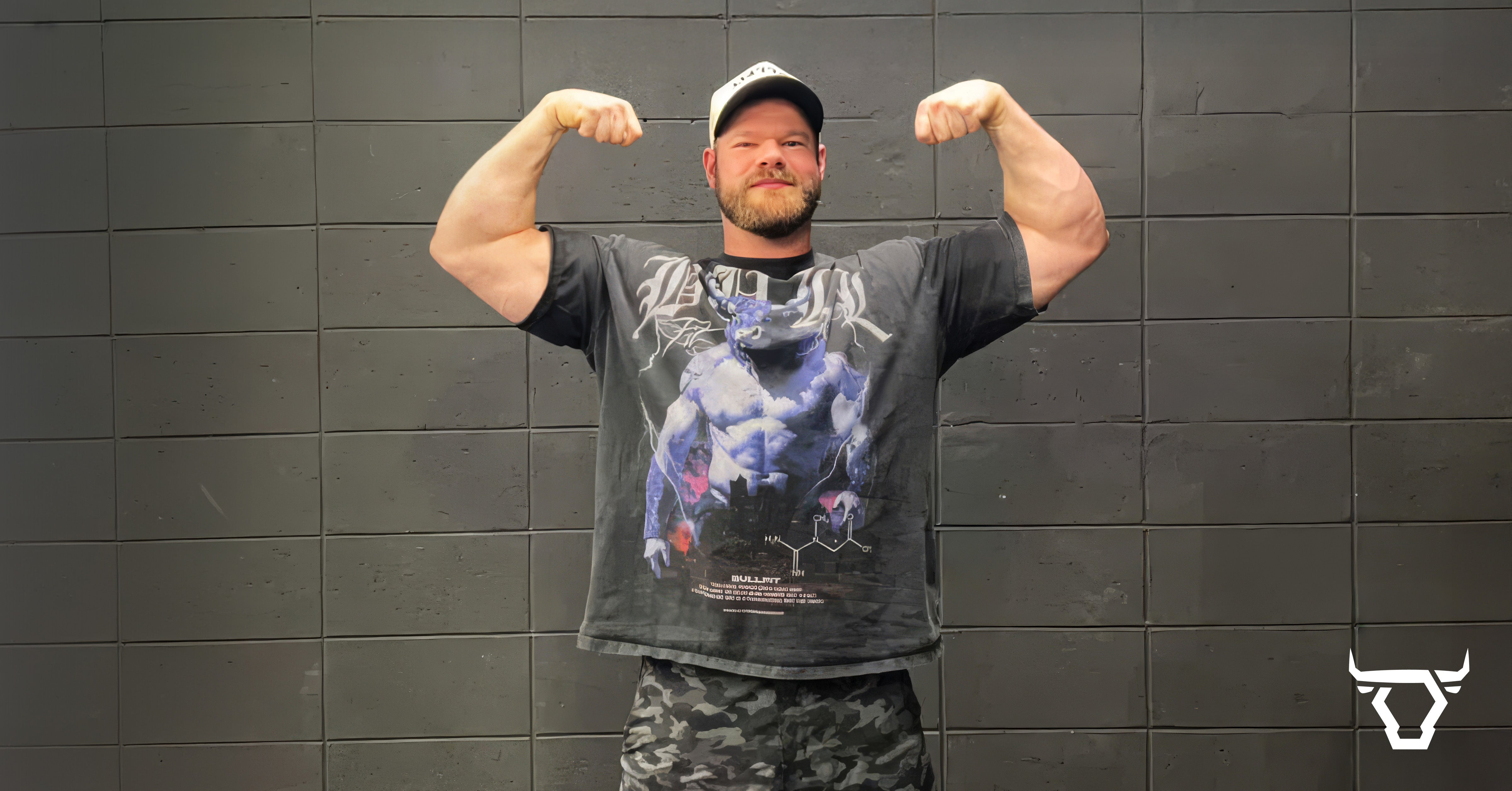
Fitness isn’t about aesthetics once you become a parent—it’s about discipline, resilience, energy, and setting the standard your kids will live by. When parents prioritize fitness, they teach consi...
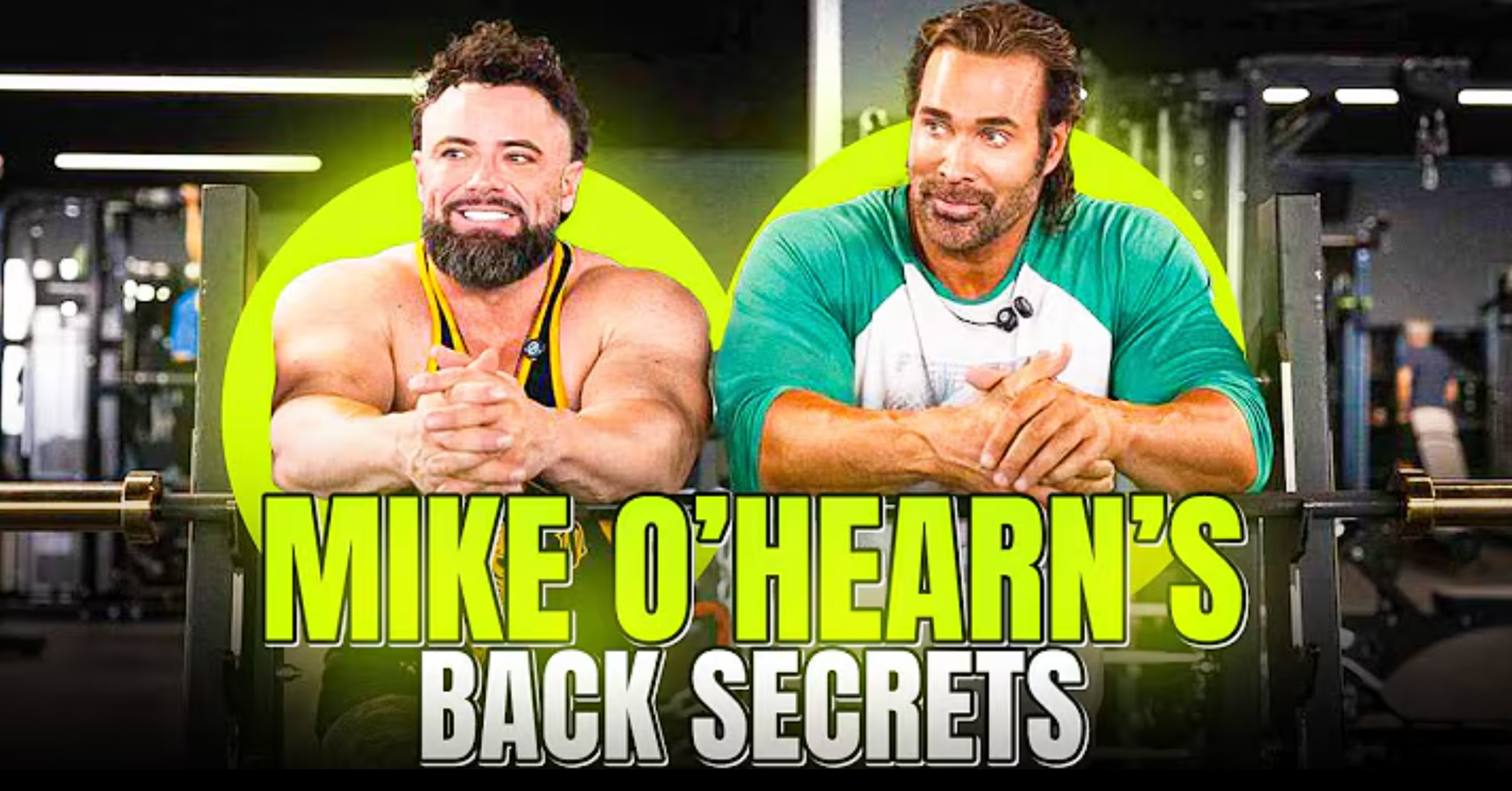
If you’ve ever watched Mike O’Hearn train, you already know the vibe: old-school intensity, zero fluff, and a standard that does not move. In BullFit’s workout video with Mike, the crew heads to a ...